
Studer · three-phase integration · NextOS
Studer next3 for commercial microgrids, solar and storage
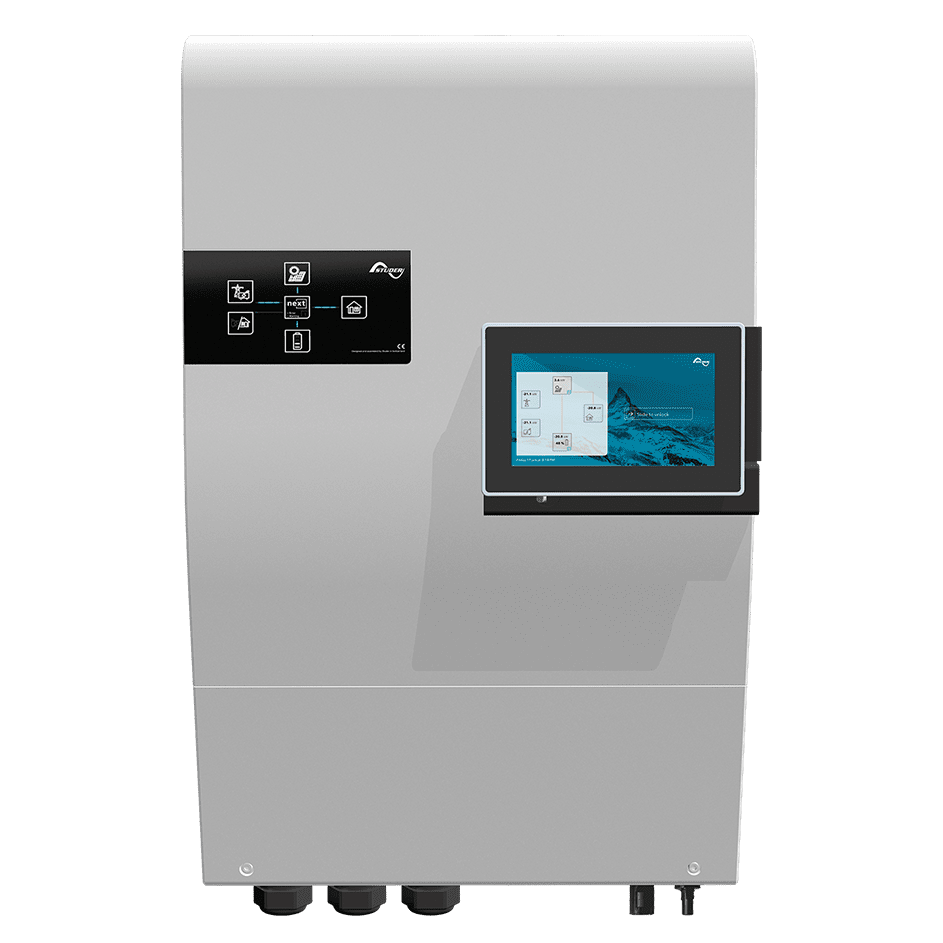
Studer next3 is a three-phase platform for grid, battery, PV and generator integration. Its suitability depends on connection topology, operating priorities and a credible service path—not on brand or nameplate power alone.
Decision snapshot
This is not a retail bundle or a blanket compatibility claim. Components are candidates; only the project specification is binding.
Decision page · updated September 2026
What the technology or architecture actually solves
The current family includes NX3 16000-48 and a rack variant. It combines bidirectional conversion, three-phase operation and integrated controls for hybrid, backup or off-grid architectures. We separate short-duration output, continuous output, charging power and battery energy because each constrains a different operating case.
The 2026 partner material confirms next3, next3 rack, NX1, the NXI communication module, battery cable kits and a temperature sensor as current system components. The public catalogue presents next3 as a new generation of smart inverter-chargers with multi-unit expansion. The exact datasheet and firmware revision remain authoritative.
Practical business scenarios
three-phase business backup with a separate critical-load board
PV–battery–grid–generator hybrid microgrids
weak-grid sites with process-load priorities
off-grid operations where serviceability and recovery matter
Control and automation
NextOS and the communication layers coordinate grid, battery and sources. The specification defines who may change parameters, how configurations are archived and what happens after loss of internet or CAN. Generator logic covers minimum loading, runtime, charge current, synchronisation and anti-short-cycling.
Weak points we test
An integrated platform does not remove system engineering. Selectivity, bypass, phase imbalance, neutral, earthing, protection, heat, starts and recovery still need evidence. A rack format reduces assembly work but does not shift responsibility for grid and fire design to the inverter manufacturer.
Legal, regulatory and data context
The project scope includes connection and licensing, protection, metering, building and fire interfaces and battery documentation. Remote supervision adds role, logging, patching and contractual responsibility for operational changes.
Frequently asked questions
Is next3 suitable for every commercial PV plant?
No. It fits only where its three-phase and hybrid functions solve the measured operating problem.
Is the rack version a complete BESS?
No. It shortens integration, while connection, protection, fire strategy and dispatch still need project engineering.
Primary sources and fact check
Product data, firmware, certification and compatibility change. The exact model, revision, market and current documentation are reconfirmed before a binding design.
Related commercial and regulatory context
Related decision maps
Victron · dual AC sources · controlled resilience
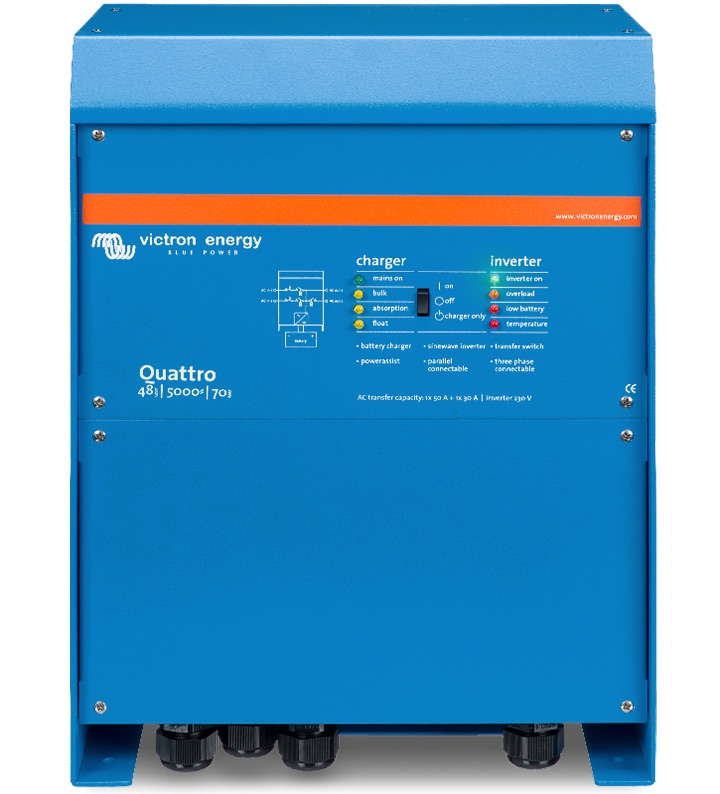
Victron Quattro for commercial ESS and backup systems
Quattro is not a complete battery system. It is a powerful building block for projects that must coordinate the grid, a generator, batteries, solar and critical loads without…
Open decision page →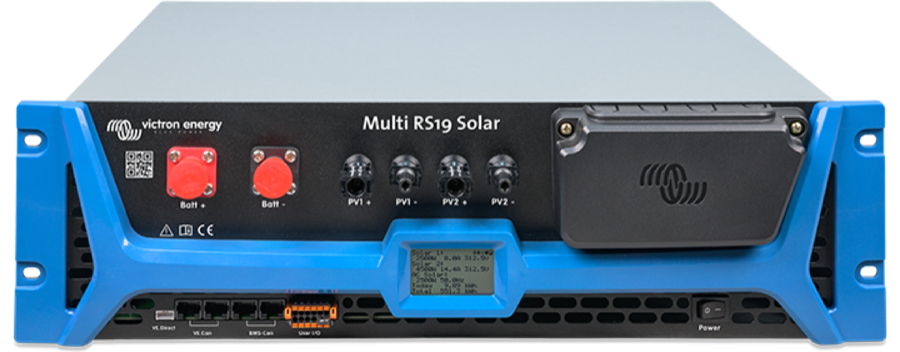
Victron · 48 V ESS · price-aware dispatch
Victron Multi RS, RS19 Solar and Dynamic ESS for business
Multi RS is a lightweight 48 V platform for retrofit storage, backup and controlled self-consumption. RS19 Solar adds a rack format and two independent MPPTs; the real system…
Open decision page →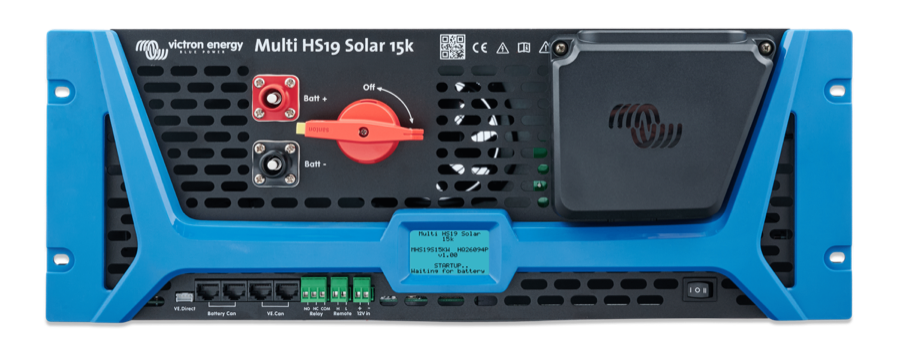
Victron · high voltage · three-phase ESS
Victron Multi HS19 Solar 15 kW for commercial BESS
Multi HS19 Solar 15k brings the Victron ecosystem into a high-voltage three-phase architecture. It is a candidate for compact C&I ESS only when the exact battery voltage window,…
Open decision page →First step without choosing a brand
Tell us what must not stop and what the system must deliver.
We start with data, project boundaries and the decision. The bill of materials follows power, energy, risk, legal and service review.