
Commercial solar + BESS
Owner's engineering, feasibility, bankability, resilience and support for projects that must align with local grid and approval requirements.
EU supplier readiness
A technically attractive battery still needs traceable documentation, lifecycle data, clear economic-operator roles, secure digital interfaces and support that an EU investor can verify.
Owner's engineering, feasibility, bankability, resilience and support for projects that must align with local grid and approval requirements.
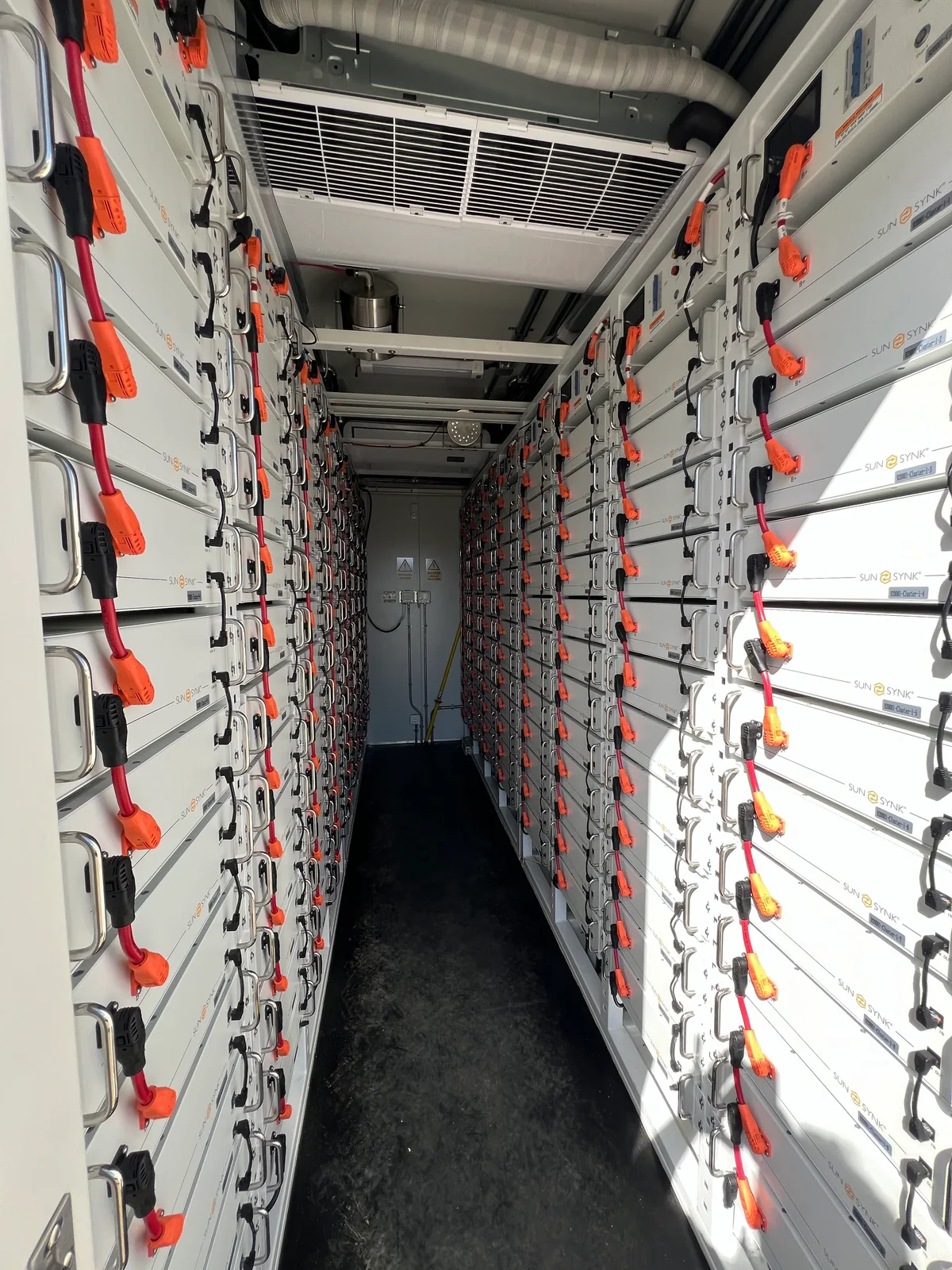
Solar and storage concepts for brownout resilience, industrial facilities, cold storage, resorts and remote operations.
Supplier review, EU market-entry readiness, cyber-physical risk, FAT/SAT and recovery requirements.
We structure the technical data, ownership and supplier evidence needed for relevant industrial batteries and the electronic battery passport from 18 February 2027.
For products in scope, vulnerability handling, incident reporting, update support and secure-by-design evidence must be planned across the product lifecycle.
We review electrical interfaces, communications, documentation, warranty, service escalation, spare parts, training, language and handover expectations.
This is technical due diligence and readiness support. Formal conformity assessment, legal advice, notified-body work and national permitting remain with the competent authorised parties.
Energy management · Technology selection · EU market entry
Energy management connects an operating need with the selection of solar, storage and controls. Those same engineering questions help manufacturers prepare a solution for a specific European project.
Demand profile, peaks, backup requirements, production schedules and site constraints.
Power, usable capacity, data access and agreed criteria for verifying the outcome.
Configuration, tests, controls, warranties, service and documentation for the target country and use.
Comparable options, an evidence gap list and, where commissioned, a pilot, acceptance plan and operating verification.
The recommendation starts with your demand and operating objective. We also compare operating changes and a no-battery option. You receive comparable alternatives, reasons for the recommendation and the conditions under which it remains valid.
We translate the target customer’s application into product requirements and evidence requests. You receive a requirement–evidence–gap–owner matrix, priorities for adaptation and preparation for technical discussions with customers or EPC contractors.
How the organisation manages energy, sets objectives and evaluates results.
Which requirements and evidence apply to the product, configuration, country and economic operators.
Whether the solution meets the operating specification, economic assumptions and agreed acceptance conditions.
ISO 50001 concerns an organisation’s management system. It does not replace product conformity assessment or CE-marking obligations. EnMS certification and reserved professional work remain with appropriately authorised bodies and professionals.
Any supply, integration or manufacturer-representation role is disclosed before work begins. Manufacturer support is scoped separately from advice to the investor. The finding may require more evidence, a revised configuration or a deferred decision.
Sources on the distinction between roles: ISO · European Commission — CE
First step
Describe the facility, the operating problem and the required outcome. We will suggest an appropriate scope and agree how to transfer technical data.