
Scope and obligations
Map entities, sites, available records and the applicable national rules. Identify what still needs an authorised professional’s assessment.
Energy under control. A practical next step.
Need to clarify an energy obligation or make a better investment decision?
We help medium-sized organisations and businesses with multiple sites organise their energy data, set responsibilities and build a management system that works in daily operations.
ISO 50001 that continues beyond the certificate.
Map entities, sites, available records and the applicable national rules. Identify what still needs an authorised professional’s assessment.
Identify significant energy uses, reconcile consumption and plan metering where evidence is missing.
Define a meaningful reference, relevant operating variables and energy performance indicators.
Assign responsibilities, action owners, operating routines and review dates; prepare the evidence for an independent certification body.
Review deviations, maintain the action plan and prepare clear reports for management across one or several sites.
Connect technology selection with operating data, procurement requirements and agreed acceptance and performance checks.
A short initial orientation is free. Written assessments, implementation, training and ongoing support are commissioned separately, with scope and deliverables agreed in advance.
Energy management · Technology selection · EU market entry
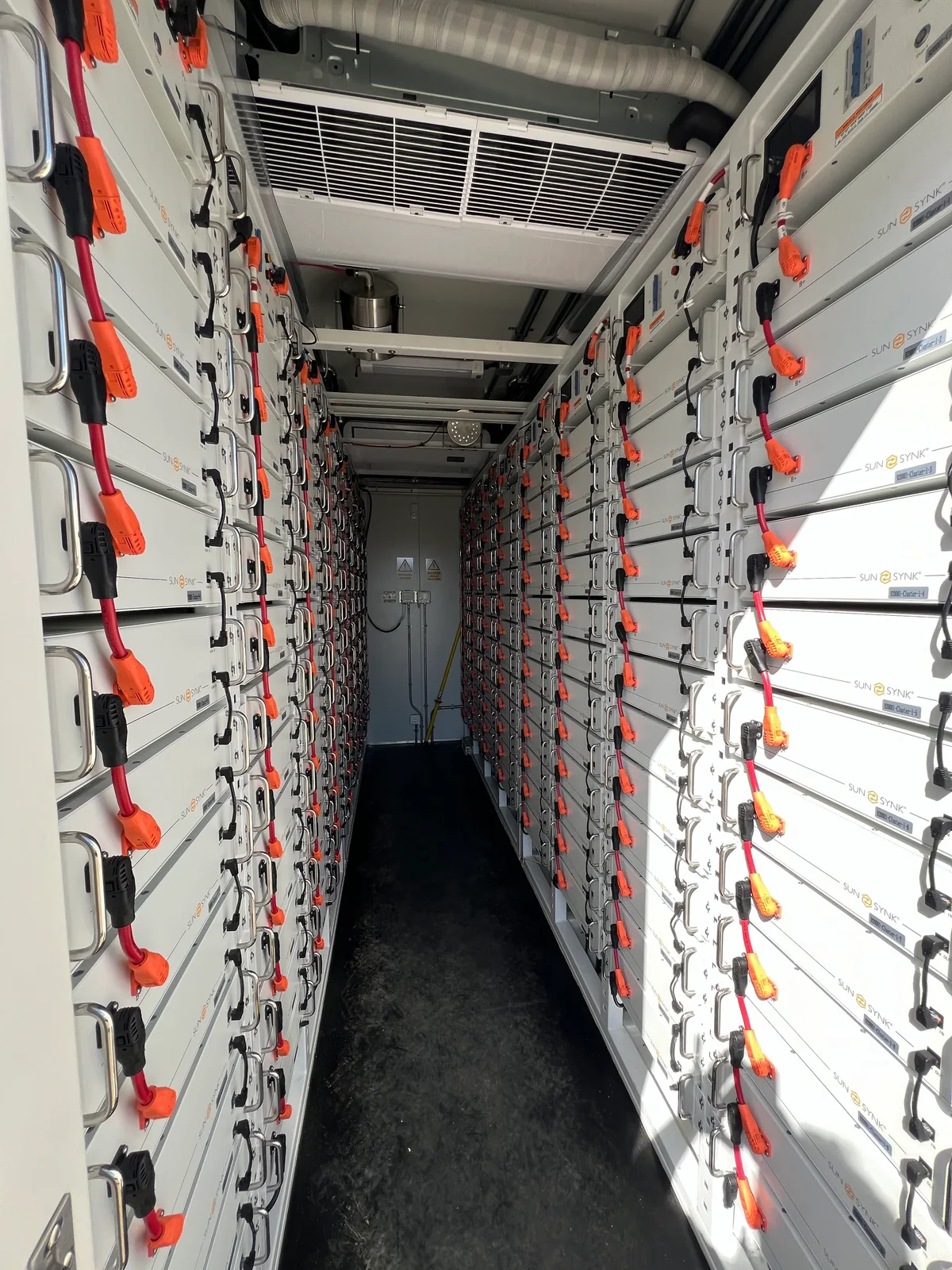
Energy management connects an operating need with the selection of solar, storage and controls. Those same engineering questions help manufacturers prepare a solution for a specific European project.
Demand profile, peaks, backup requirements, production schedules and site constraints.
Power, usable capacity, data access and agreed criteria for verifying the outcome.
Configuration, tests, controls, warranties, service and documentation for the target country and use.
Comparable options, an evidence gap list and, where commissioned, a pilot, acceptance plan and operating verification.
The recommendation starts with your demand and operating objective. We also compare operating changes and a no-battery option. You receive comparable alternatives, reasons for the recommendation and the conditions under which it remains valid.
We translate the target customer’s application into product requirements and evidence requests. You receive a requirement–evidence–gap–owner matrix, priorities for adaptation and preparation for technical discussions with customers or EPC contractors.
How the organisation manages energy, sets objectives and evaluates results.
Which requirements and evidence apply to the product, configuration, country and economic operators.
Whether the solution meets the operating specification, economic assumptions and agreed acceptance conditions.
ISO 50001 concerns an organisation’s management system. It does not replace product conformity assessment or CE-marking obligations. EnMS certification and reserved professional work remain with appropriately authorised bodies and professionals.
Any supply, integration or manufacturer-representation role is disclosed before work begins. Manufacturer support is scoped separately from advice to the investor. The finding may require more evidence, a revised configuration or a deferred decision.
Sources on the distinction between roles: ISO · European Commission — CE
Manufacturing, food processing, bakeries, cold stores, logistics, hotels, laundries, property portfolios, schools, water utilities and smaller corporate groups. The sector guides currently provide detailed Czech examples.
Explore 24 sector guides (Czech) →Czech obligations are assessed under Czech law; they should not be copied automatically to other countries. Our Czech calculator is an indicative starting point and does not replace a review of scope, exceptions and evidence.
Open the Czech indicative calculator →A short initial orientation is free. Written assessments, implementation, training and ongoing support are commissioned separately, with scope and deliverables agreed in advance.
Discuss your readiness →