
Business architectures · not product bundles
Victron commercial ESS and microgrids: four design models
Four models illustrate how Victron components can address different operating problems. They are not price packages or universal bills of materials; power, battery, certification and warranties are confirmed from project data.
Decision snapshot
This is not a retail bundle or a blanket compatibility claim. Components are candidates; only the project specification is binding.
Decision page · updated September 2026
What the technology or architecture actually solves
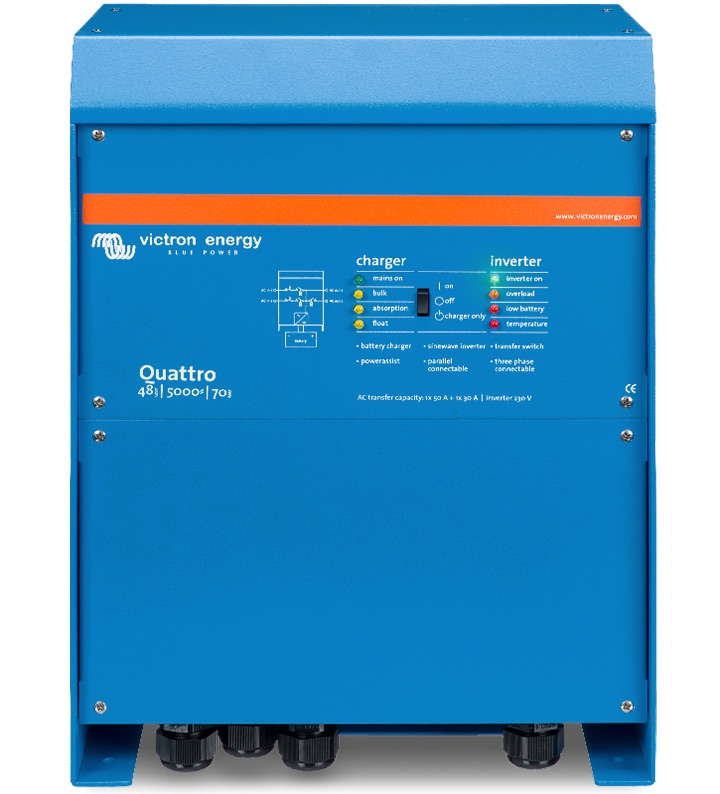
Model A uses three Quattro 48/15000 units for an approximately 45 kVA three-phase critical bus. Model B doubles units per phase for an approximately 90 kVA modular generator-backed microgrid. Model C uses Multi RS/RS19 for a compact 48 V ESS behind a measured grid limit. Model D uses a 15 kW Multi HS19 Solar with a verified HV battery for compact C&I storage.
Each model has a different constraint. The 45/90 kVA Quattro cases are dominated by DC current, battery capability, load sharing and bypass. Multi RS needs a credible cycling economy and protected backup reserve. Multi HS19 depends on exact HV battery compatibility, protection and service competence. Interval data and a single-line diagram therefore come first.
Practical business scenarios
45 kVA: small manufacturing, logistics or process distribution
90 kVA: larger critical bus with modular resilience
6–18 kVA: storage retrofit, price-aware control and zero export
15 kW HV: compact three-phase ESS with multiple MPPTs
Control and automation
GX supervision unifies batteries, inverters, meters and generator. Node-RED can add quarter-hour demand control, load shedding, pre-charge, outage preparation and alarm workflow. Critical protection stays outside custom flows. Every automation includes manual override and a communications-loss test.
Weak points we test
No architecture can maximise trading, lifetime, backup and peak power simultaneously without compromise. The commercial brief sets a use-case hierarchy and an EMS reserve that cannot be consumed. Economics include degradation, efficiency, network charges and real availability.
Legal, regulatory and data context
The scope maps connection, storage licensing, metering, fire evidence, battery obligations, NIS2/cyber issues and contracts between integrator, battery supplier and operator. Formal legal conclusions are coordinated with qualified legal counsel.
Frequently asked questions
Is the 90 kVA model automatically redundant?
No. Battery, DC distribution, protection, controls and critical bus must all support the redundancy claim.
Do you sell standalone inverters?
Our primary service is engineering and qualifying the complete solution; components are an output of the design, not its starting point.
Primary sources and fact check
Product data, firmware, certification and compatibility change. The exact model, revision, market and current documentation are reconfirmed before a binding design.
Related commercial and regulatory context
Related decision maps
Studer architectures · operating resilience
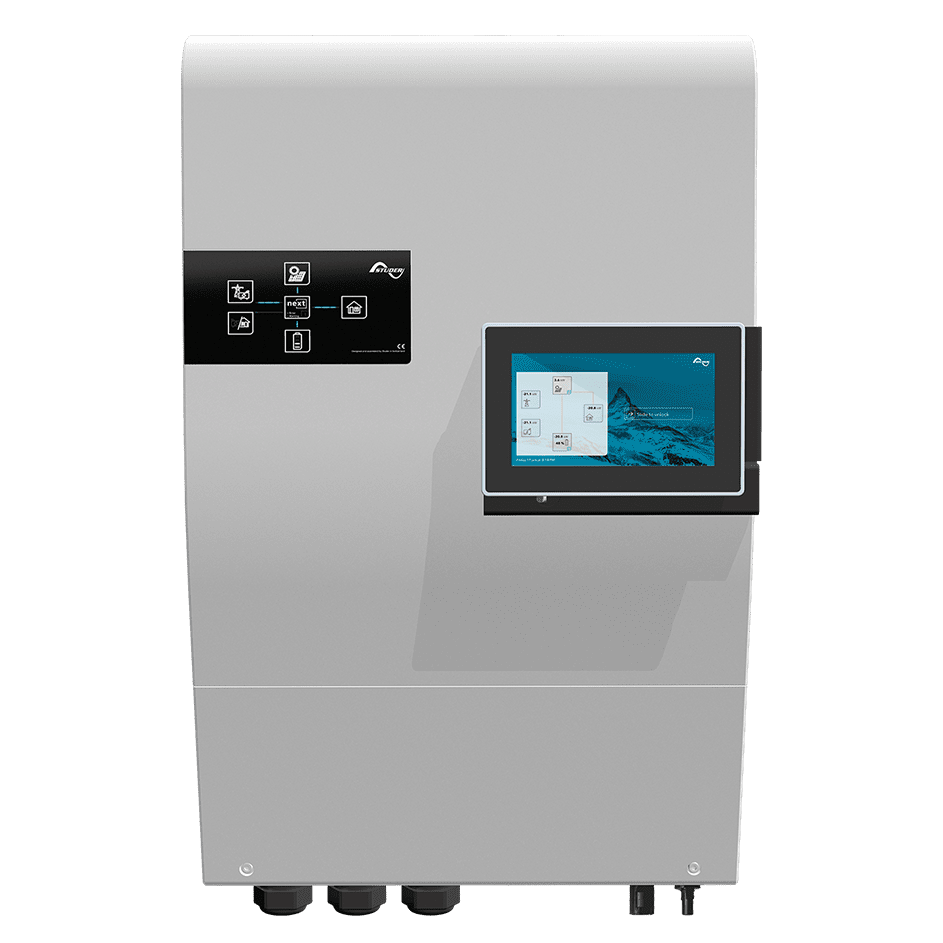
Studer commercial backup and microgrids: practical models
We consider Studer where long-term resilience, generator logic and serviceability matter more than the maximum number of cloud features. Four models cover a small critical…
Open decision page →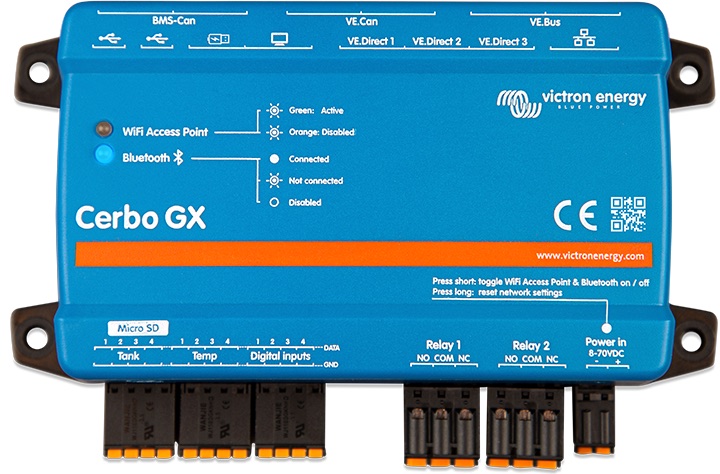
EMS · process automation · local fallback
Node-RED automation for commercial energy, solar and batteries
Energy automation must make money or reduce risk. We design it as an operating process with measurement, limits, ownership and rollback—not as an isolated flow nobody…
Open decision page →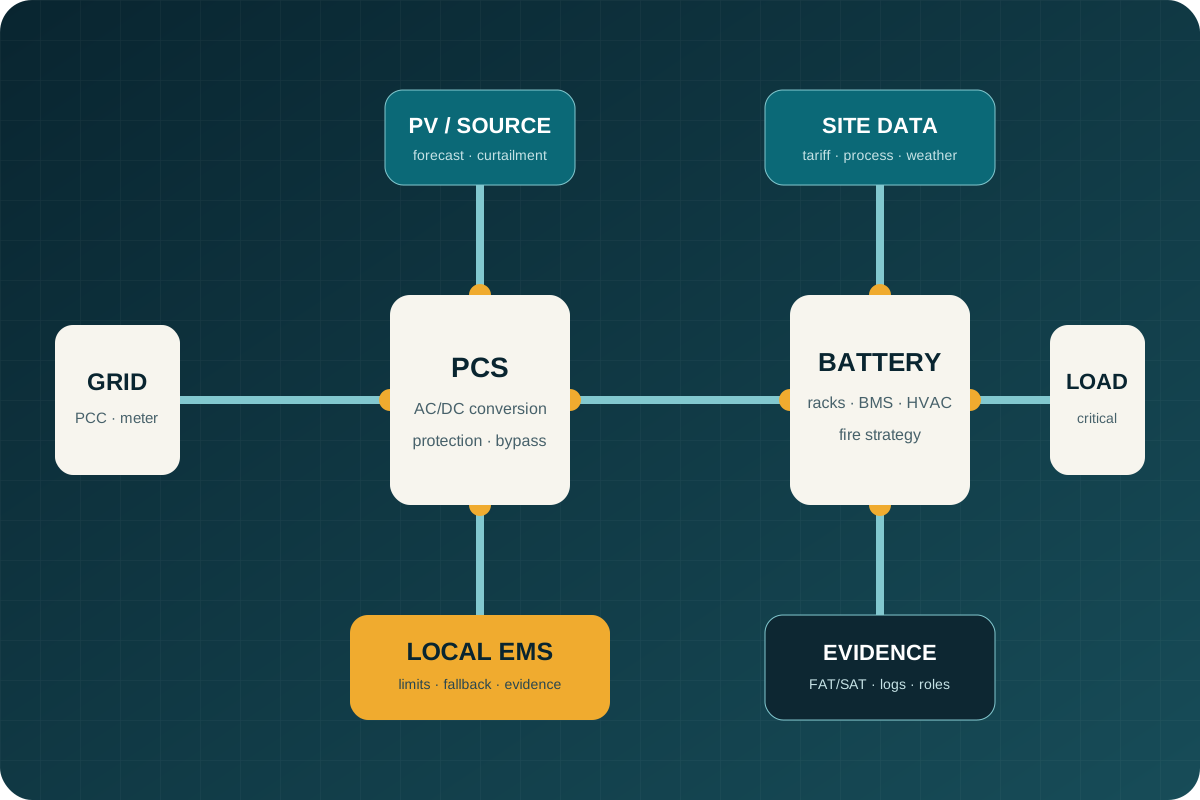
C&I BESS · technical and legal due diligence
Industrial BESS design, EU compliance, NIS2 and EMS
A large battery system is not a container with a kWh label. It is an energy asset, a data system, a fire-safety object, a set of contracts and an investment whose return depends…
Open decision page →First step without choosing a brand
Tell us what must not stop and what the system must deliver.
We start with data, project boundaries and the decision. The bill of materials follows power, energy, risk, legal and service review.