
EMS · process automation · local fallback
Node-RED automation for commercial energy, solar and batteries
Energy automation must make money or reduce risk. We design it as an operating process with measurement, limits, ownership and rollback—not as an isolated flow nobody understands six months later.
Decision snapshot
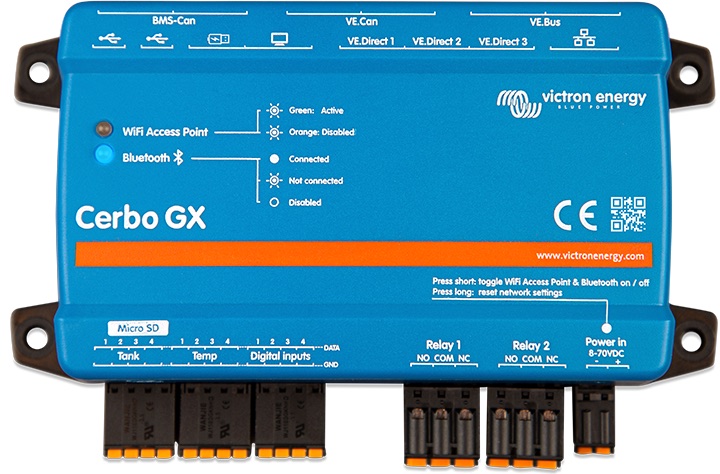
This is not a retail bundle or a blanket compatibility claim. Components are candidates; only the project specification is binding.
Decision page · updated September 2026
What the technology or architecture actually solves
Six practical patterns: (1) demand control holds the quarter-hour peak; (2) price-aware dispatch operates inside reserve limits; (3) generator control uses SOC, load and forecast; (4) EV charging and heat pumps absorb surplus; (5) outage preparation pre-charges storage and verifies critical circuits; (6) incident flows capture context, alert the team and prepare service evidence.
Venus OS Large provides Victron Node-RED nodes and examples. The manufacturer also states that advanced custom solutions are not a supported application. We therefore separate protection from optimisation, validate data age, rate-limit changes, use a watchdog and return to a conservative setpoint after failure.
Practical business scenarios
peak shaving from measured grid power
pre-charge before an expensive period or planned outage
coordination of generator, battery and non-critical loads
automatic incident evidence for service teams
Control and automation
Every flow has inputs, a decision rule, output, allowed range, timeout, manual override and test. Economics uses the same data as the operating dashboard. Changes are replayed against historical data and then piloted at limited power.
Weak points we test
The hidden vulnerability is conflicting authority: a cloud EMS requests discharge, the BMS limits current and an operator changes mode locally. The design sets priorities, detects an unmet setpoint and returns to a known state. Editor access, API tokens and credentials are backed up separately and encrypted.
Legal, regulatory and data context
Automation can affect energy contracts, aggregation, liability and connected-product data. The analysis covers the Data Act, NIS2/national cyber law, supplier access, logs and retention. Formal legal output is project-specific and coordinated with counsel where needed.
Frequently asked questions
Can a battery be controlled only by spot price?
Often technically, but the business logic must include losses, degradation, network charges, backup reserve and connection limits.
Should AI control Node-RED?
Only for a tightly bounded support function. AI must not control protection or safety functions without deterministic constraints.
Primary sources and fact check
Product data, firmware, certification and compatibility change. The exact model, revision, market and current documentation are reconfirmed before a binding design.
- Victron Energy – Venus OS Large and Node-RED ↗
- Victron Energy – Venus OS 3.70 virtual switches and smarter workflows ↗
- ERÚ – ukládání elektřiny, aktualizace 20. 7. 2026 ↗
- EUR-Lex – Regulation (EU) 2023/1542 ↗
- EUR-Lex – Cyber Resilience Act ↗
- European Commission – Data Act ↗
- NÚKIB – průvodce zákonem č. 264/2025 Sb. ↗
- European Commission – Electricity Market Design ↗
Related commercial and regulatory context
Related decision maps
Business architectures · not product bundles
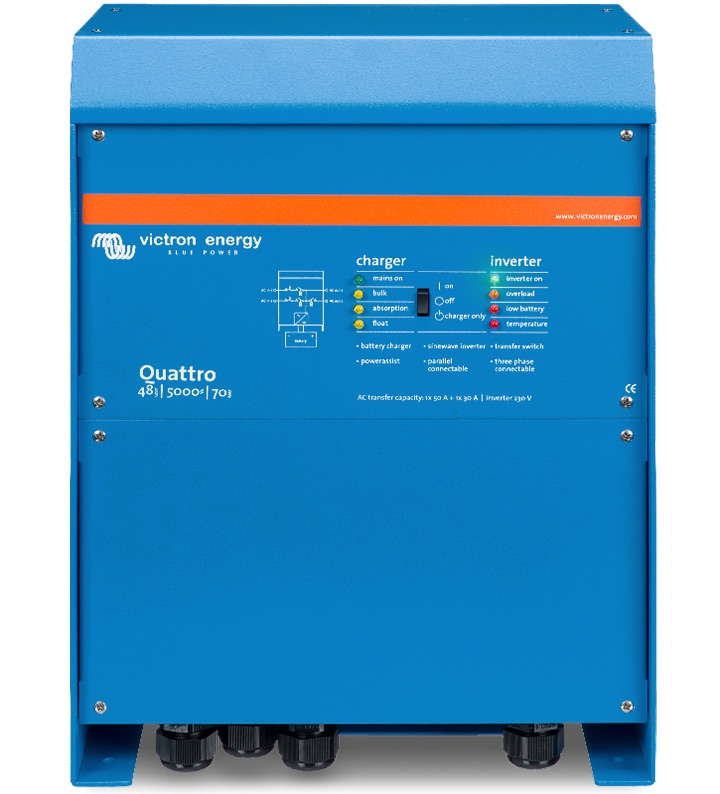
Victron commercial ESS and microgrids: four design models
Four models illustrate how Victron components can address different operating problems. They are not price packages or universal bills of materials; power, battery,…
Open decision page →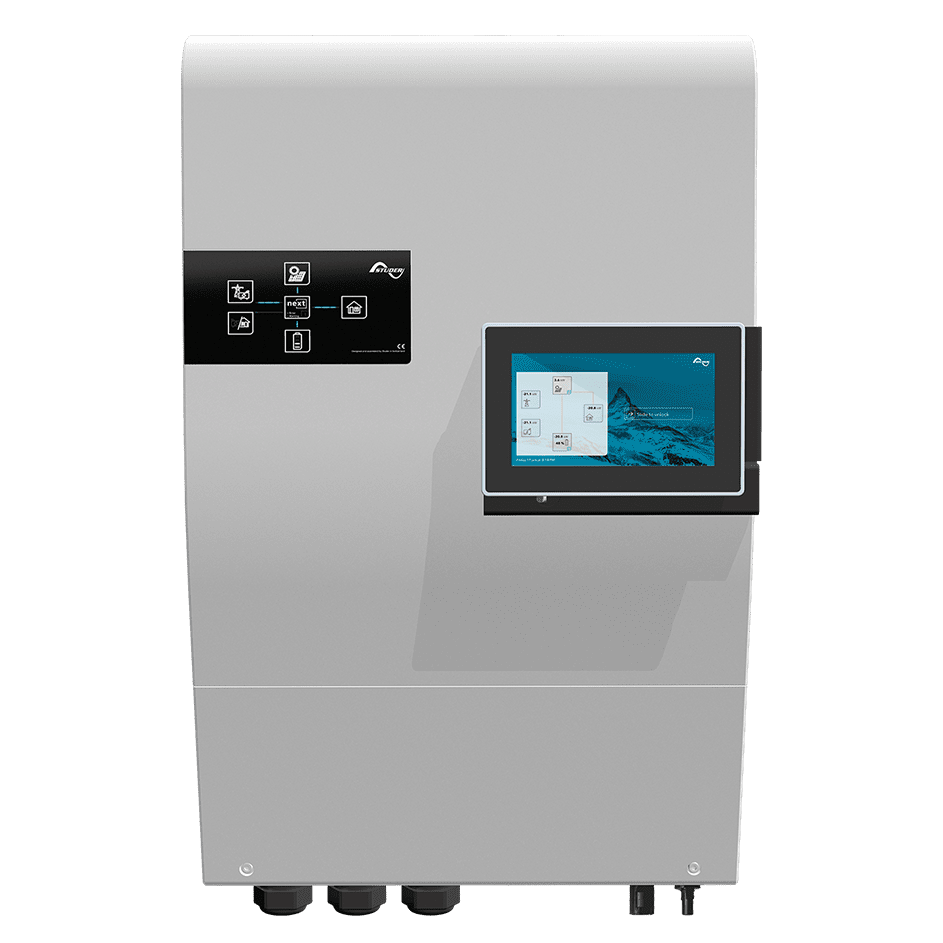
Studer architectures · operating resilience
Studer commercial backup and microgrids: practical models
We consider Studer where long-term resilience, generator logic and serviceability matter more than the maximum number of cloud features. Four models cover a small critical…
Open decision page →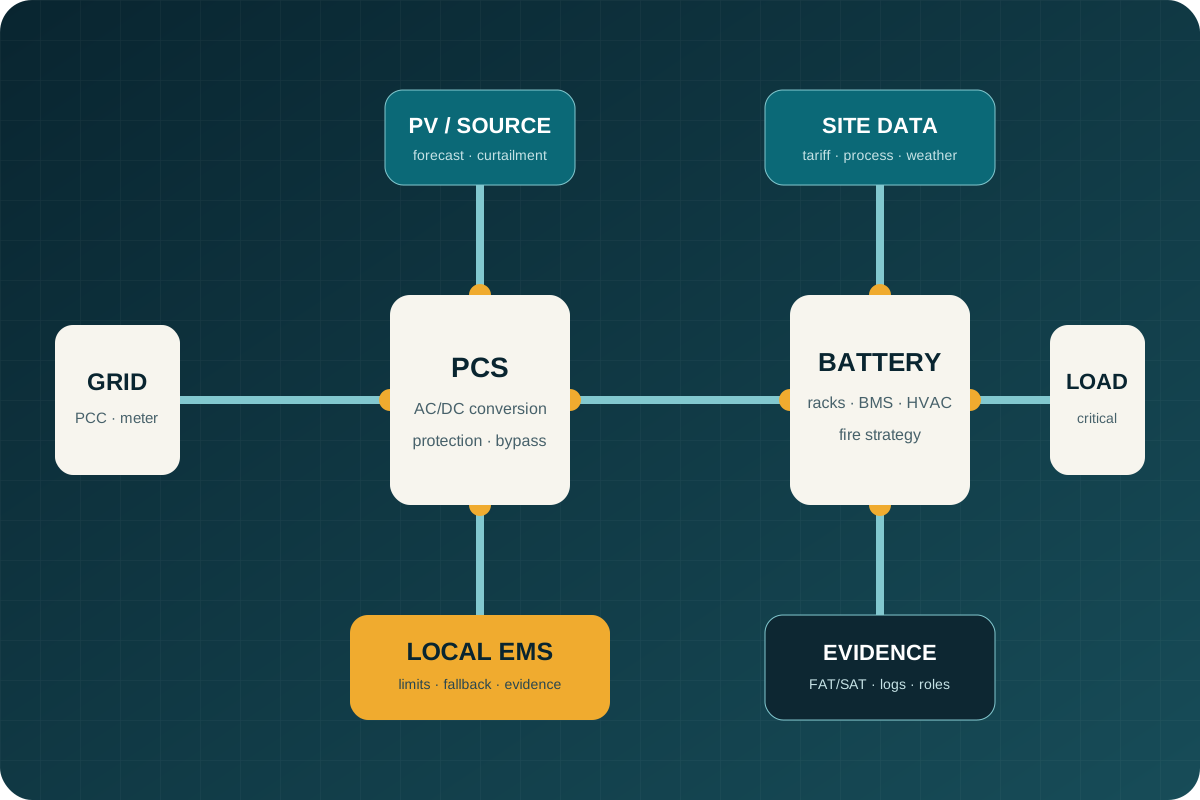
C&I BESS · technical and legal due diligence
Industrial BESS design, EU compliance, NIS2 and EMS
A large battery system is not a container with a kWh label. It is an energy asset, a data system, a fire-safety object, a set of contracts and an investment whose return depends…
Open decision page →First step without choosing a brand
Tell us what must not stop and what the system must deliver.
We start with data, project boundaries and the decision. The bill of materials follows power, energy, risk, legal and service review.